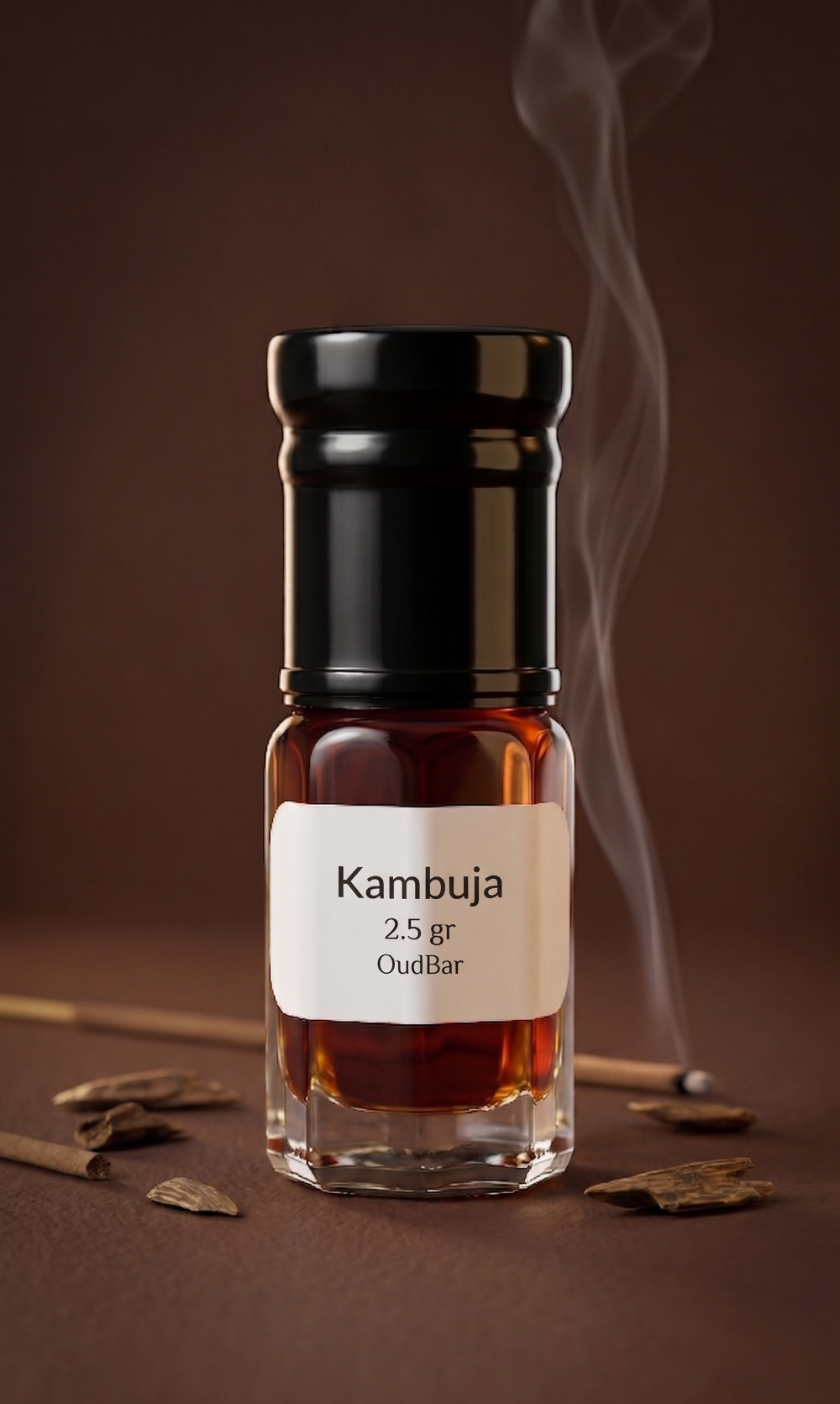
Kambuja
Price range: £295 through £590
Cambodi is the most plagiarized smell in perfumery.
That “oud” note in the designer bottle at the mall? A synthetic cartoon of Cambodian crassna. The oud-scented candle, the car freshener, the £30 “oudh” oil at the bazaar – all of them chasing the same honeyed-fruity ghost, none of them ever catching it.
Which puts real Cambodi in a strange spot. It’s the profile everyone thinks they know and few have actually smelled.
But Kambuja isn’t here to correct the record. It’s here to rewrite it.
This is a new breed of Cambodian oud. The classic elements are all present – the apricot, the honey, the jammy crassna sweetness that made this origin famous – but they’ve been recast in a darker key. Instead of fruit sitting on top of the oil, sunny and forward, it’s been folded deep into a bed of smoldering incense, the way embers swallow whatever you lay on them and give it back as fragrance.
The opening is Crassna incense first, fruit second. A low, resinous crassna burn – closer to heated oud chips than to any Cambodi oil you’ve owned – with the honeyed apricot glowing through the smoke rather than above it, like fruit stewing in a copper pot you can smell but can’t see. Give it an hour and the layers start trading places: a dark plum note surfaces, dips back under the incense, resurfaces sweeter. By drydown you’re left with something no mall perfume ever dared attempt – oud smoke with a candied heart, still humming on your wrist when you wind your watch at night.
If your shelf already carries the classic Cambodis – the yellows, the golden-fruit crowd-pleasers – Kambuja is their shadow side, and it will make you hear the whole family differently. And if you’ve been wearing “oud” perfumes wondering what the fuss is about, careful: this is the deep end of the pool.
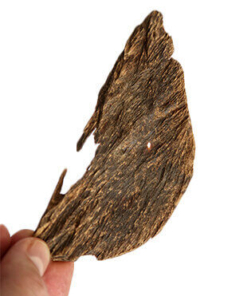
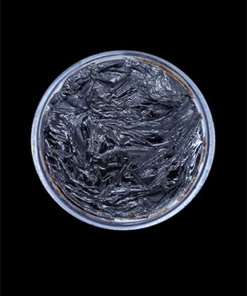
PS: Light a Cambodian chip, swipe Kambuja next to it, and see how little distance there is between the two.
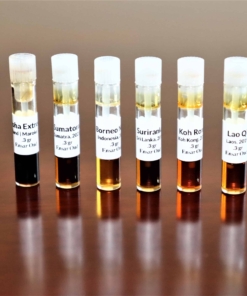
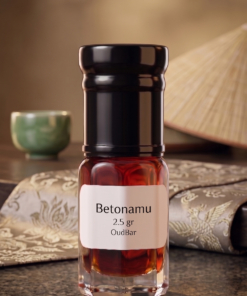
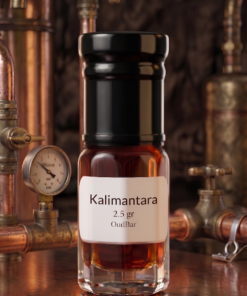
| Bottle | 0.3 gram sample vial, 2.5 gram sturdy glass, 5 gram sturdy glass |
|---|---|
| D-Code | 005 |
| Region |
Related products