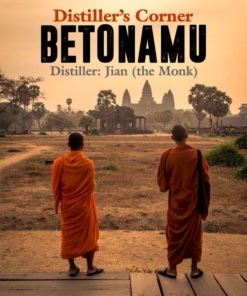
We once showed Jian, the distiller monk in Thailand, pictures of someone’s distillation set-up. He’d barely begun flipping through the pictures before he started cracking up.
“That’s for noodle pots!” he said, still roaring, as he pointed to the lid covering the cauldrons.
He then zoomed in on all the pictures, confirming that the lids covering the distillation pots were indeed the type they use in Asia for frying noodles.
It was a crude set-up, similar to many we’ve encountered before and since the noodle pot guy. Some set up distillation units in their bathrooms, some clear out the kitchen to get access to the room’s drainage.
You may think I’m poking fun at these distillers. I’m not.
While noodle pot lids aren’t ideal for insulation and setting up shop in your bathroom puts you at an obvious disadvantage compared to what a spacious cooling system can do, at least they started somewhere and tried, while pretend-to-be-distillers were sitting on their couches preaching their version of what constitutes ‘artisanal’ oud.
Couch vendors. There were a lot of them at some point. Self-declared pontiffs of the oud world, having neither seen nor touched an oud tree in their lives, yet telling everyone that wild oud is everywhere.
The beauty of it is, while these armchair warriors were waging their battle, our noodle pot man probably realized he’d need to upgrade his system if he wanted to produce quality oud, while the other fella learned about condensers and proper cooling equipment that wouldn’t ruin his temperature curves — and so, he decided the kitchen wasn’t going to cut it anymore.
This holds true in all the arts. There are the critics who can’t paint or play a G, while some give it a go and learn to at least entertain themselves.
But then there are special people who up the ante……
While the critics banter on about how oud should be made or complain about how so-and-so makes theirs, Imran and his brother Abid did what none of the leaders in the game even did…
It began with Hindistan Kala. This was the first (and only) co-distillation of Indian and Terrenganu agarwood that I’m aware of. Not just is it a far-out combo I never even thought about, but they took both batches all the way to Pakistan to distill there. The oud is so good we were happy to feature it directly on EO.
But it’s what you don’t know they did that makes Imran and Abid so special…
They went through the incredible effort of first distilling these already-precious batches of agarwood in different locations. That they ended up running the final distillation in Pakistan isn’t a random thing. It certainly wasn’t a matter of convenience — they don’t even live there.
I love the answer they gave when we asked them, “Why Pakistan?”
“Because the result was the best.”
Not “it was more cost-effective” or “it was logistically the most suitable place to do it.” No, it was the hardest place for them to bring the raw material to. And they did it after running trial batches in several other countries first!
This tells you they were in it for the oud — and the proof is in the pudding.
But it wasn’t a once-off distillation.
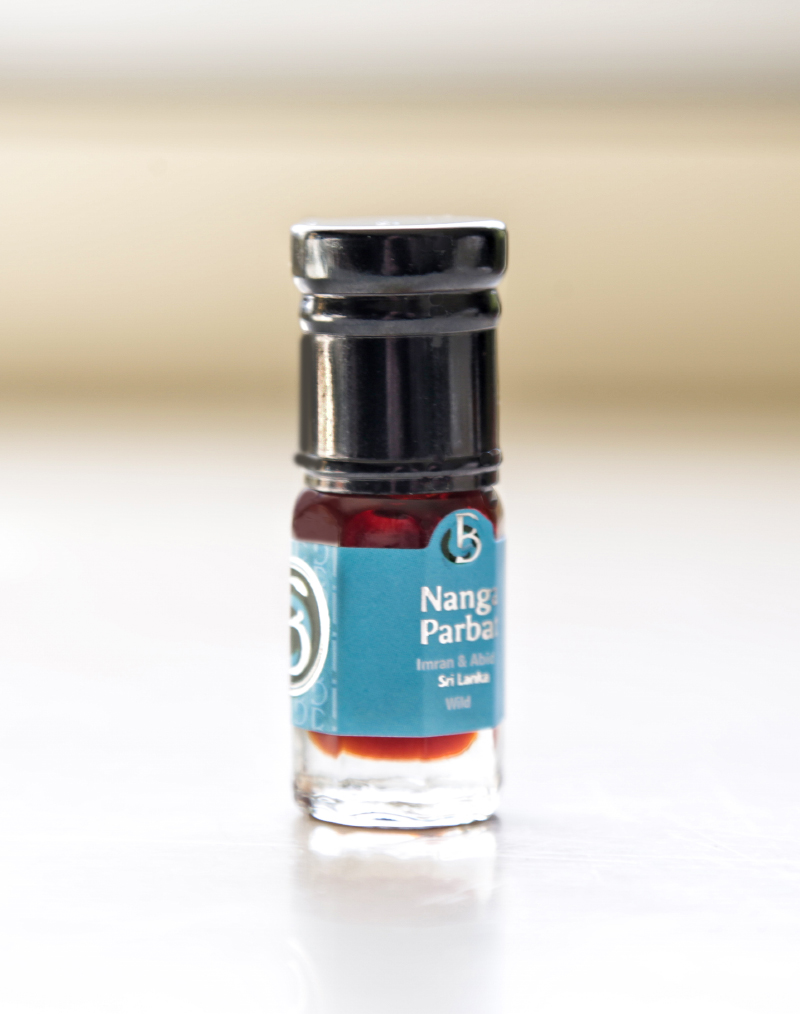
What they did with Nanga Parbat made me respect them even more.
Assam and Bangladesh are usually as far West as the oud trail runs. Pakistan is on the other side. So, they truly cleared new ground. Pakistan is also not the easiest place to get things done without some trouble, as you may know…
That is until you try to do anything agarwood-related in Sri Lanka.
By managing to trek Sri Lankan agarwood all the way to Pakistan, they pulled off a pioneering feat unlike what we’ve seen in a long time!
And again — Imran and Abid first went through the effort of distilling their precious combo of walla patta in different locales first, before again deciding that the hardest path, in this case, led to the best result. So they pushed for that.
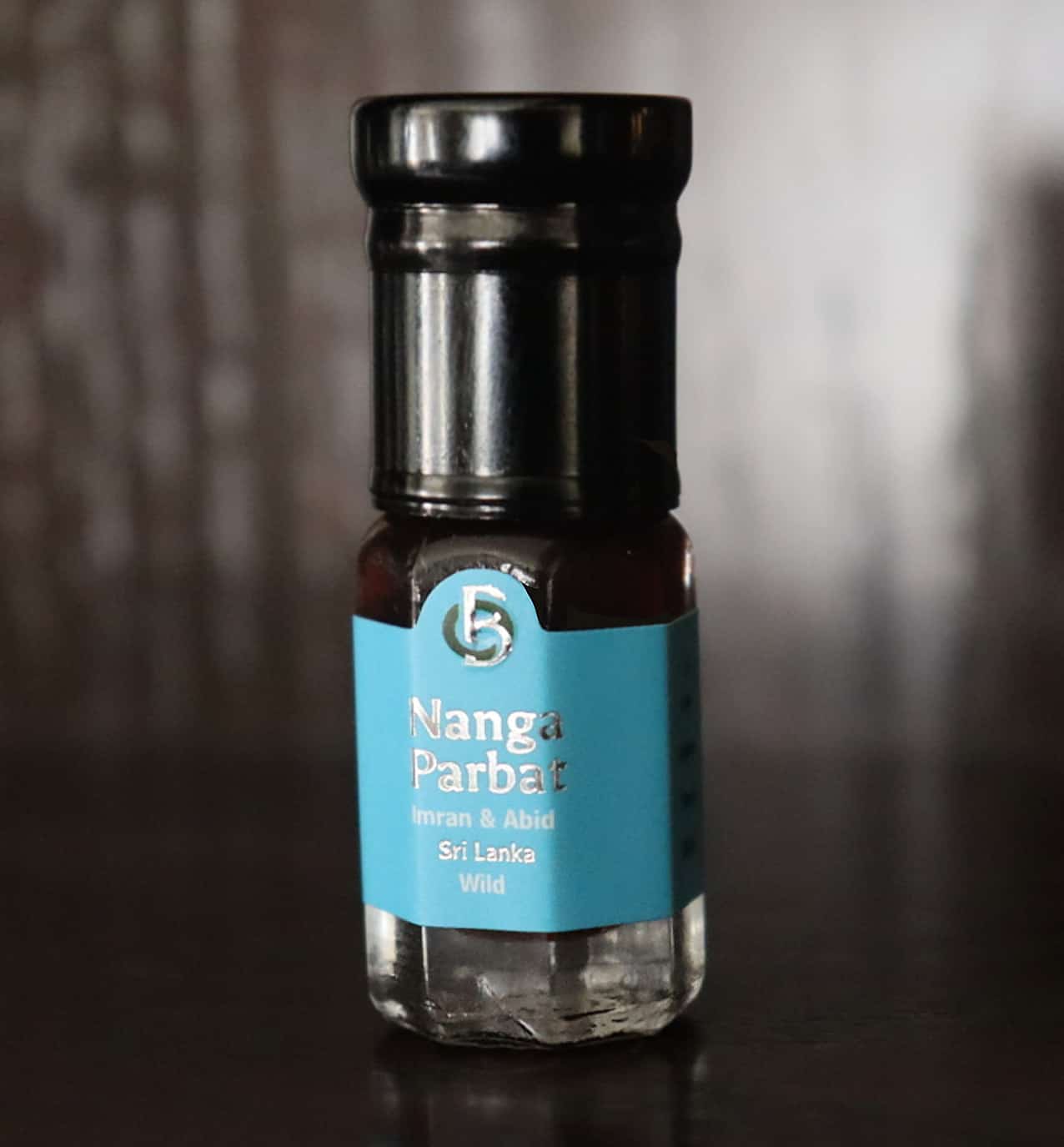
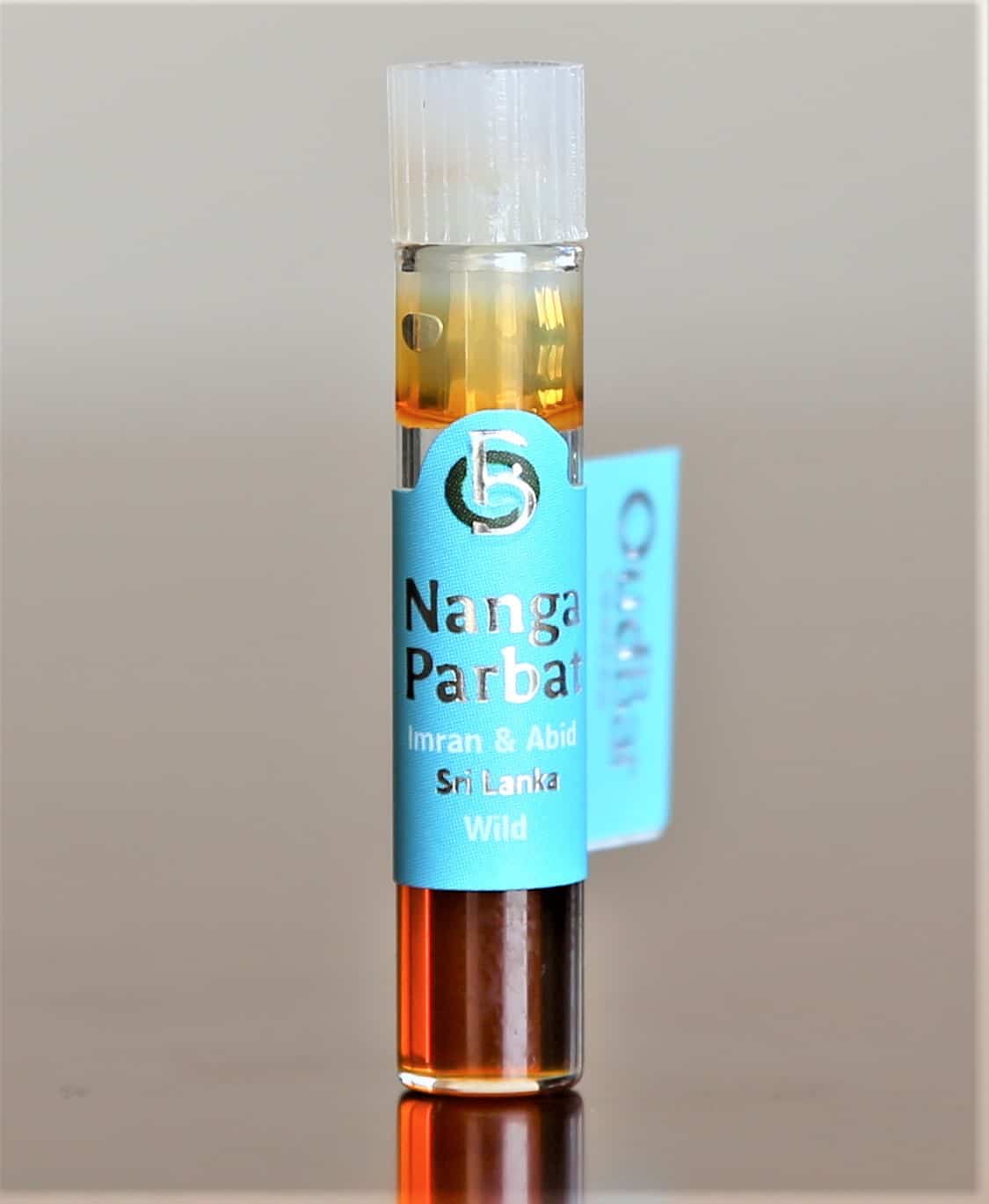
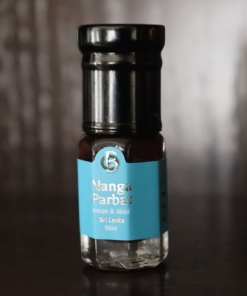
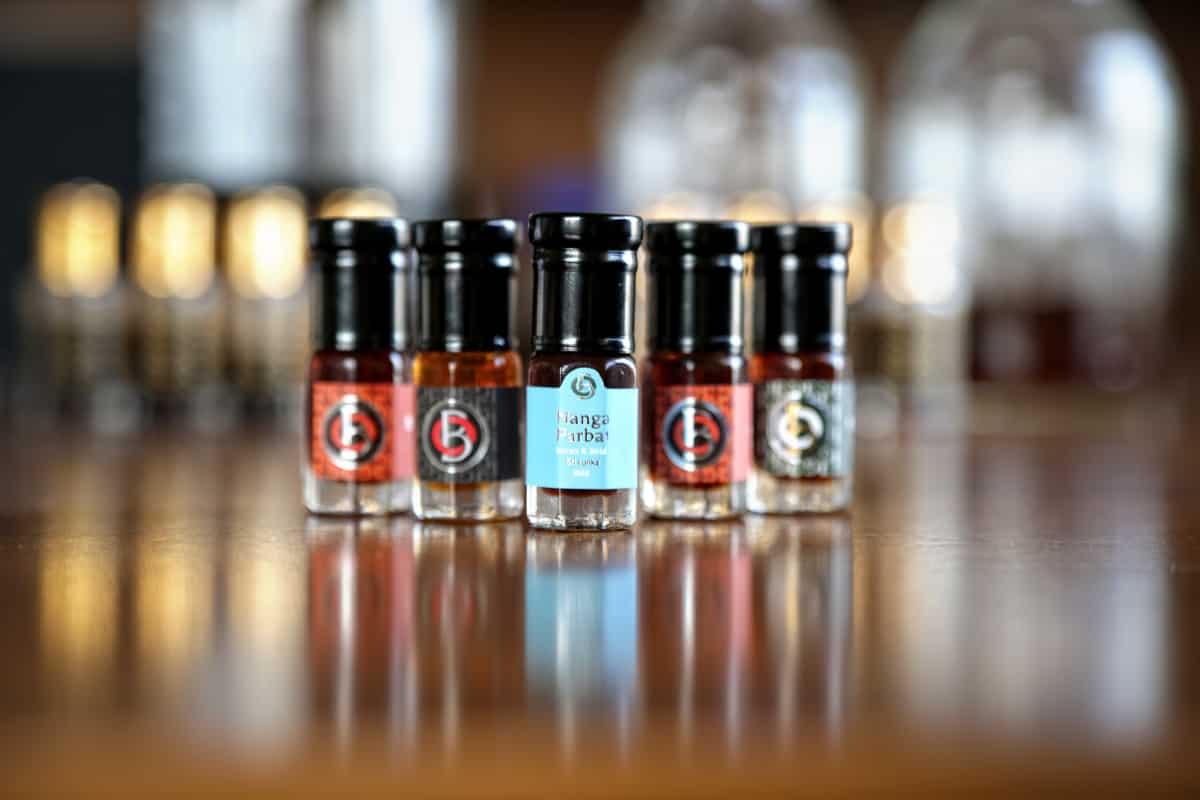
Their distillery in Pakistan is in a remote village area, and they believe that’s what imbues these ouds with their character. The sparsely populated Pakistani mountains in the north, such as Nanga Parbat, have a permanent snowcap with pristine, ever-flowing water. The crisp, serene foothills of the Himalayas and the water there adds a flavor you won’t smell in other ouds, and is the inspiration behind your bottle’s blue label.
You know how Kyara Ketone relates to White Kinam? Well, this is how Nanga Parbat relates to Borneo No 1.
It’s like the brothers managed to dye the bluegreen walla golden raspberry sweet. They’ve somehow rubbed out one of the most recognizable signatures in the oud world (walla’s aquamarine) and painted a tropical sunrise over it.
Nanga Parbat is a mesmerizing batch of Sri Lankan agarwood that, through the trailblazing efforts of Imran and Abid, ended up where no one imagined such a duet would ever get distilled, to give oud lovers a whiff from another world.
Vanilla and dry-sweet with a deeply resinous undertone that lets the high-grade harvests speak for themselves. This golden, early-Borneo veneer flows into the cooling blue of any other Silani you’ve smelled and makes a swipe of gyrinops more addictive than you thought it could be.
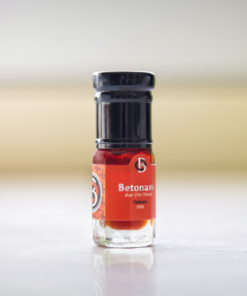
As with Betonamu, which Jian made for himself, Imran and Abid actually held onto this oil for almost seven years. And I get it – I have oils distilled ten years ago that are mine. After all the struggle, when you finally collect the oil and smell the effort blossom, your first reaction is often… “I’m never letting this go.”
That’s why it’s an honor to share such a precious work of olfactory achievement with you. The brothers are proud of what they’ve accomplished, we’re blown away by it, and I’m sure its heavenly fragrance will stir your senses to the moon and back.
Order a bottle of Nanga Parbat and you not only acquire one of the most exciting ouds out there, but you also offer your direct patronage to Imran and Abid and their logistical insanities so that they can keep breaking new ground and bring you oud of the highest order.

Customer Reviews:
Calming and Refreshing.
A little went a long way, it is such a strong oil. Both projection and silage are great, and you’re right – it gets louder. The scent is right up my alley, resinous, earthy, aqua-like. I found it especially pleasant to wear during a hot summer day, really calming and refreshing.
A Shapeshifter … So Dang Great.
Since I received Suriranka and Nanga Parbat samples, it’s been a conundrum in deciding which I love better. Since I already have a vintage bottle of Suriranka and NP is so dang great, I’ve seen that I appreciate the NP being more rounded, more floral, and softer. Nanga Parbat let’s me smell the color orange for the first time! Suriranka is a powerhouse, but sharper. Wonderful smelling them side by side. I love them both, but by golly that NP is a shape shifter!
Scent Spectrum is Amazing!
This is truly an amazing experience trying Nanga Parbat, it is unlike any other walla patta I’ve tried before, its complex scent spectrum is amazing!